
CIGARETTES @ SUNSET - "Carolina Shakedown" - Lost Highway Records
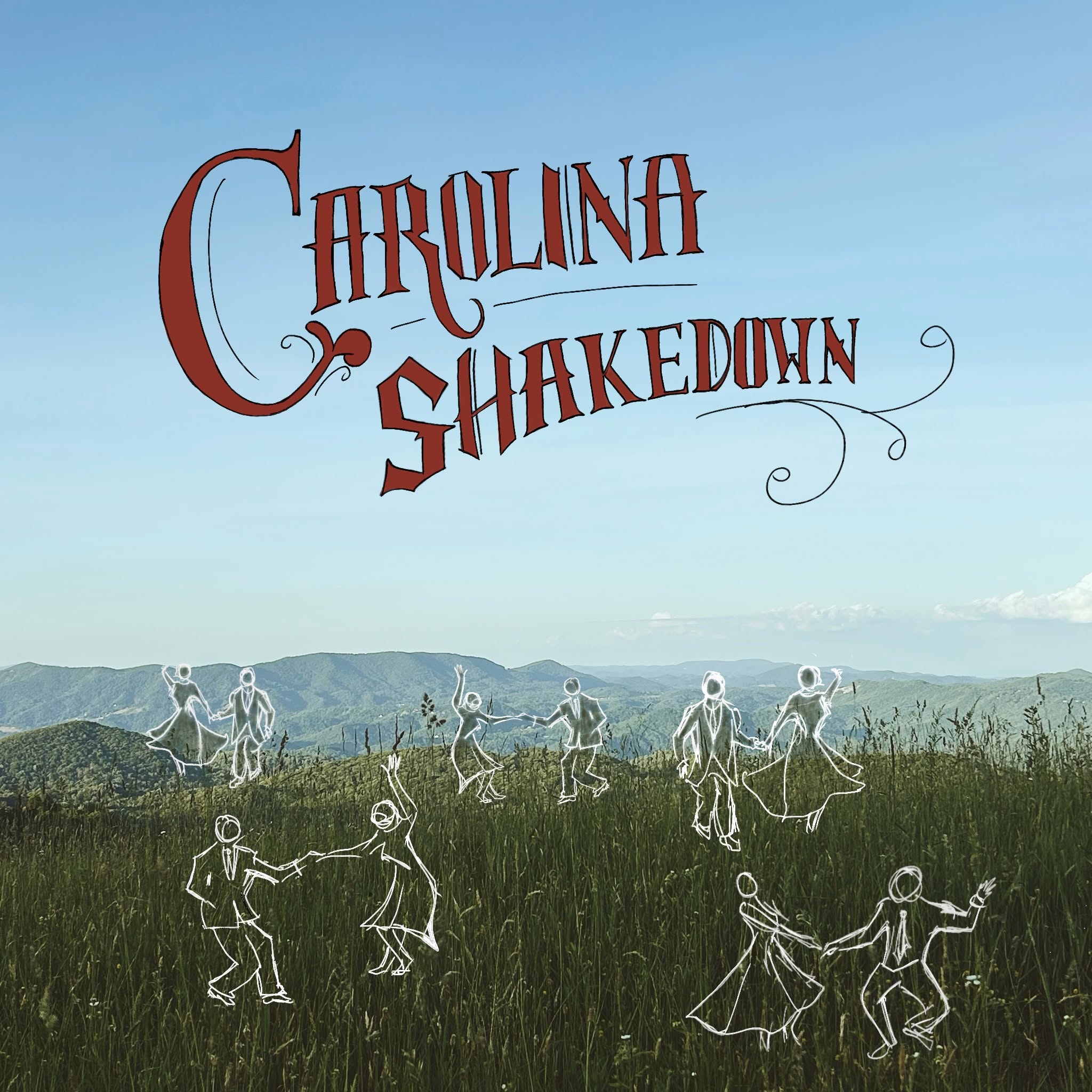
There is nothing gentle about the way “Carolina Shakedown” comes home. Cigarettes @ Sunset’s latest single arrives with its boots muddy, its pulse racing, and its conscience only half-cleared. Released September 30 through Lost Highway Records, the track makes a convincing case for the band’s self-coined “Appalachian possum rock”: a wiry collision of bluegrass tradition, Americana storytelling, indie-rock muscle, and punk-bred impatience. It is the kind of song that feels recognizable within seconds but never overly familiar. The roots are easy to hear, yet the band plays them with enough force and personality to make the combination feel distinctly its own.
At its center is a tension that feels deeply familiar: the pull of the place that made you versus the urge to keep moving before it can hold you still. Lead vocalist Garrett Dellinger delivers that conflict with charisma and conviction, turning the road into both an escape route and a hard-earned source of self-knowledge. His narrator is nearing home after nights spent playing music for strangers, but the return offers no simple resolution. Distance has not erased his mistakes, and success has not quieted the more restless parts of his personality. The hometown in this song is not presented as a postcard. It is something richer—a living place approached with affection, honesty, apprehension, and enough swagger to make every return feel like an event.
That emotional friction gives the track its spark. The song draws from Dellinger’s memories of Sunday-afternoon backyard bluegrass jams hosted by his grandparents, and that history gives the performance a home-cooked warmth. You can almost picture folding chairs in the grass, instruments being passed around, and another tune beginning before the previous one has completely left the air. But the band smartly pushes that tradition forward instead of preserving it under glass. Driving drums, swampy guitar, and a restless low end make the nostalgia immediate and alive, as if those old gatherings have been wired into a crowded club sound system.
Producer Taylor Kimball understands that the band’s appeal depends on that balance. His production keeps the arrangement muscular without sanding away its splinters, leaving room for the scrape of the strings, the bite of the guitars, and the physical push of the rhythm section. Nothing feels clinically separated. Instead, the instruments lean into one another, creating the friendly chaos of musicians who know exactly when to tighten up and when to let the song kick against the rails. The result sounds confident and finely controlled, but still thrillingly untamed.
The five-piece chemistry is the real selling point. Ryland Bagbey’s lead guitar supplies the grime, answering the vocal with riffs that feel both Southern and slightly dangerous. Wells Whitman’s bass gives the song weight while his backing vocals widen its communal feel, and Ethan Moore’s drums drive everything forward with the momentum of a barroom floor filling up. Dellinger’s rhythm guitar holds the center together, allowing the arrangement to move between porch-born looseness and rock-band force without losing its footing.
Then Sarah Vann’s violin cuts through the churn. Her standout solo is not decorative roots-music shorthand or a quick nod toward authenticity; it is the song’s release valve. The instrument rises above the heavier rhythm with a bright, urgent edge, bringing a flash of mountain air into an arrangement built to sweat. Vann’s playing connects the track’s bluegrass inheritance to its punk energy more clearly than any genre label could. The solo feels traditional in vocabulary but rebellious in spirit, and it gives the recording one of its most memorable moments.
The chorus turns that inner conflict into communal motion, offering the kind of hook that practically clears space for a two-step. The repeated invitation to dance carries more emotional weight than a simple party refrain: it sounds like a dare, a plea, and an attempt to make peace with the past all at once. That contrast between old mistakes and present-tense release is where “Carolina Shakedown” feels most human—and most irresistible. The song understands that going back can be celebratory and complicated at the same time, then transforms that realization into a moment built to be shouted, danced to, and played again.
The verses deepen that push and pull with a streak of self-awareness. The narrator admits his appetite for attention and his habit of repeating the very behavior he knows he should leave behind. Those confessions could have sounded performatively reckless, but Dellinger delivers them with enough humor and weariness to suggest that he sees the contradiction clearly. He is proud of where he comes from, unsure of what the road is turning him into, and not entirely ready to change. That willingness to remain messy keeps the song from becoming a tidy redemption story—and makes it far more believable.
The regional imagery also works because it is felt rather than overexplained. References to coastal cities, mountain winds, Appalachian hymns, and hometown dancing sketch a broad Carolina landscape without turning the song into a travel brochure. The music supplies the weather: humid guitars gather like dark clouds, the percussion rolls forward with storm-front pressure, and the fiddle flashes through the mix like heat lightning. By the time the chorus returns, the atmosphere feels less like scenery than a state of mind.
If the band’s genre tag sounds playful, the music beneath it proves remarkably assured. “Carolina Shakedown” is a forceful, sharply drawn single that honors Appalachian tradition by refusing to treat it as something fragile or fixed. Cigarettes @ Sunset make regional pride sound unruly, complicated, and fully alive, delivering a standout track with personality to spare. More importantly, they understand that roots music stays vital when artists bring their own contradictions into it—their humor, ambition, guilt, and desire to turn every difficult homecoming into one more reason to play loudly.
That is ultimately what makes the single land. Beneath the volume and motion, it carries the intimacy of a story told by someone who knows every bend in the road but still has not decided where he belongs. The performance never loses its sense of fun, yet the emotion underneath gives the chorus staying power beyond its immediate rush. By the final surge, the band has turned a homecoming into an anthem and left behind the charged exhilaration of a summer storm crossing the Blue Ridge.
(Review Written By: Dave Pierce)
Latest Updates
- #throwbackthursday: Blake Shelton - "The Baby"
- Single Review: Cigarettes @ Sunset - "Carolina Shakedown"
- Music Video: Vincent Mason - "Damned If I Do"
- Visualizer: Joe Nichols - "Say La V"
- Music Video: Shinedown - "Searchlight"
- Lyric Video: Miranda Lambert & Ella Langley - "Snakeskin Boots"
- Lyric Video: Noeline Hofmann - "Wilson Silverstar 402 Blues"
- Visualizer: Erin Kirby - "Cross My Mind"
- Single Review: Jacob Hackworth - "Last Night I Got Lonely"
- Single Review: Myles Morgan - "Missin’ Me Drunk"
- Lyric Video: Stella Lefty & Vincent Mason - "Something To Lose"
- #throwbackthursday: Kenny Chesney - "Don't Blink"
- Single Review: Kaitlin Butts - “What More Could You Want”
- Single Review: Mitchell Tenpenny - “Ain’t My Problem”
- Single Review: Walker Montgomery - “24/7 365”
- Single Review: Jordan Davis - “What Do I Do If You Don’t”
- Single Review: LOCASH - “Where My Stars Line Up”
- Single Review: Hudson Westbrook - “One Night Wonder”
- Single Review: Belles - “Everything But Over You”
- Single Review: Lady A & Boyz II Men - “I Love The One”